Capturing emotion in sports
There are a lot of things I love about sports photography, the speed, the big plays, the unpredictability, but if I’m being honest, capturing emotion is at the top of the list for me. There’s just something different about it. Anyone can take a photo of a play. But a real moment, pure excitement, frustration, relief, that’s the stuff that sticks with people.
Why Emotion Matters
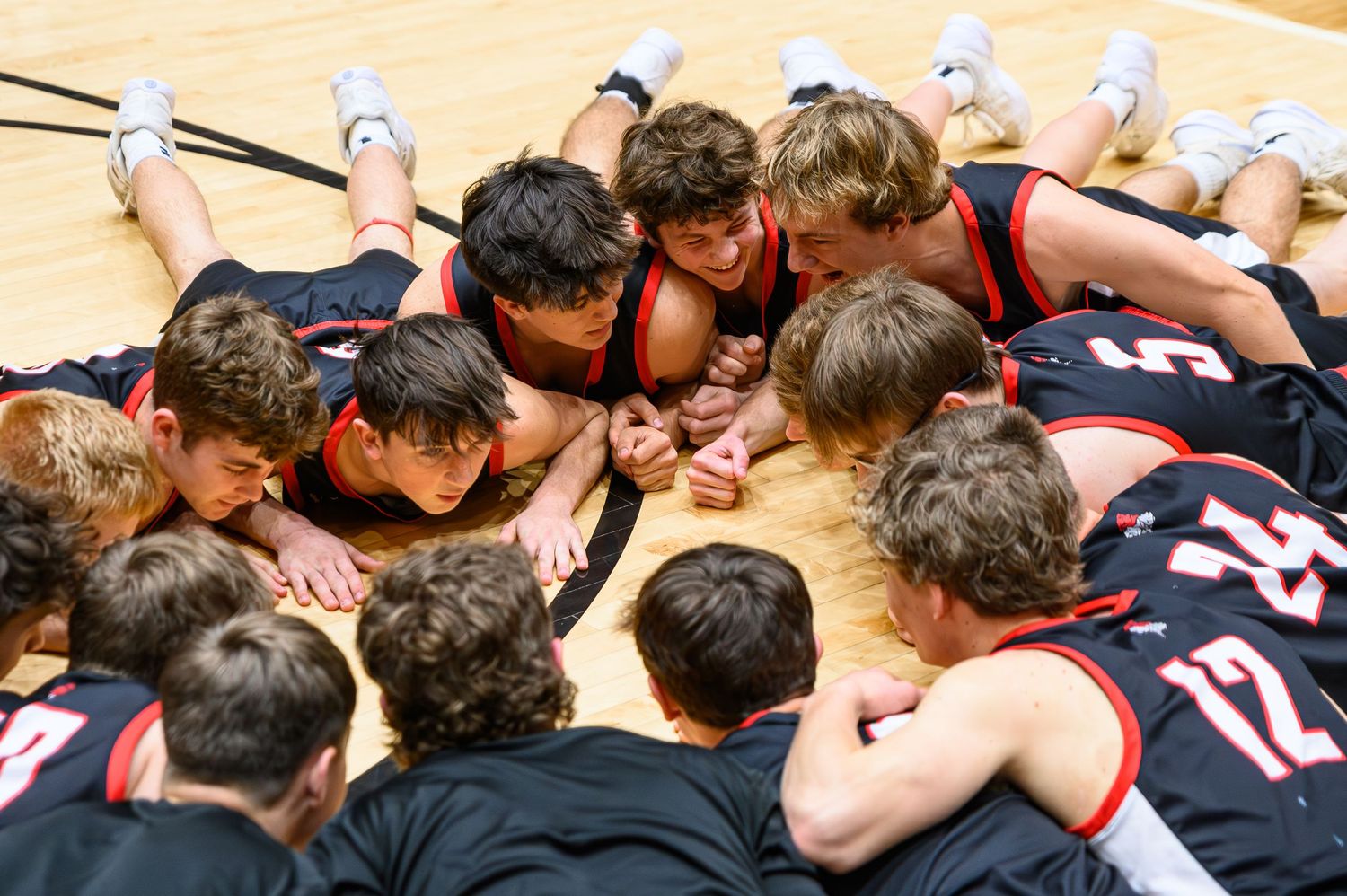
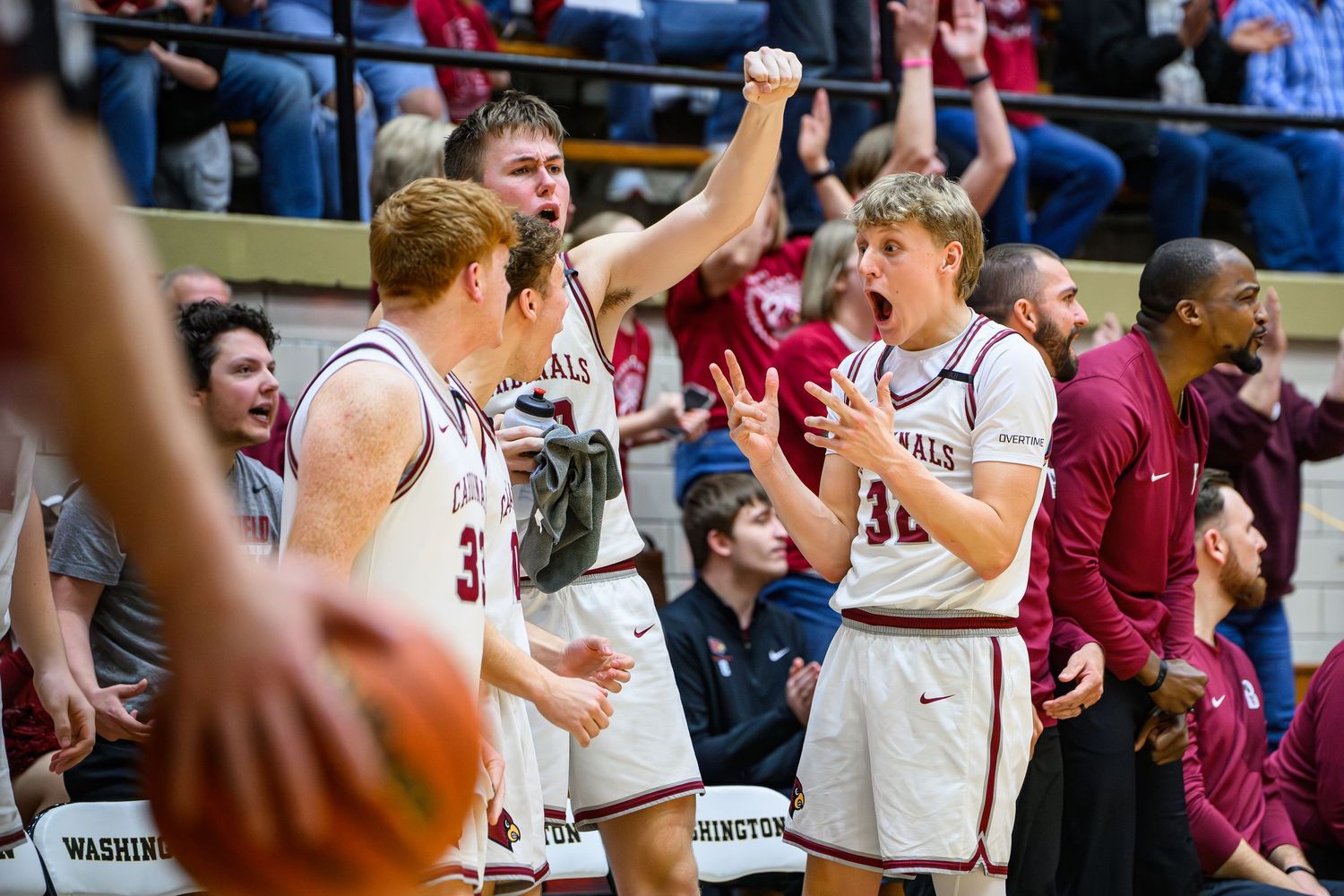
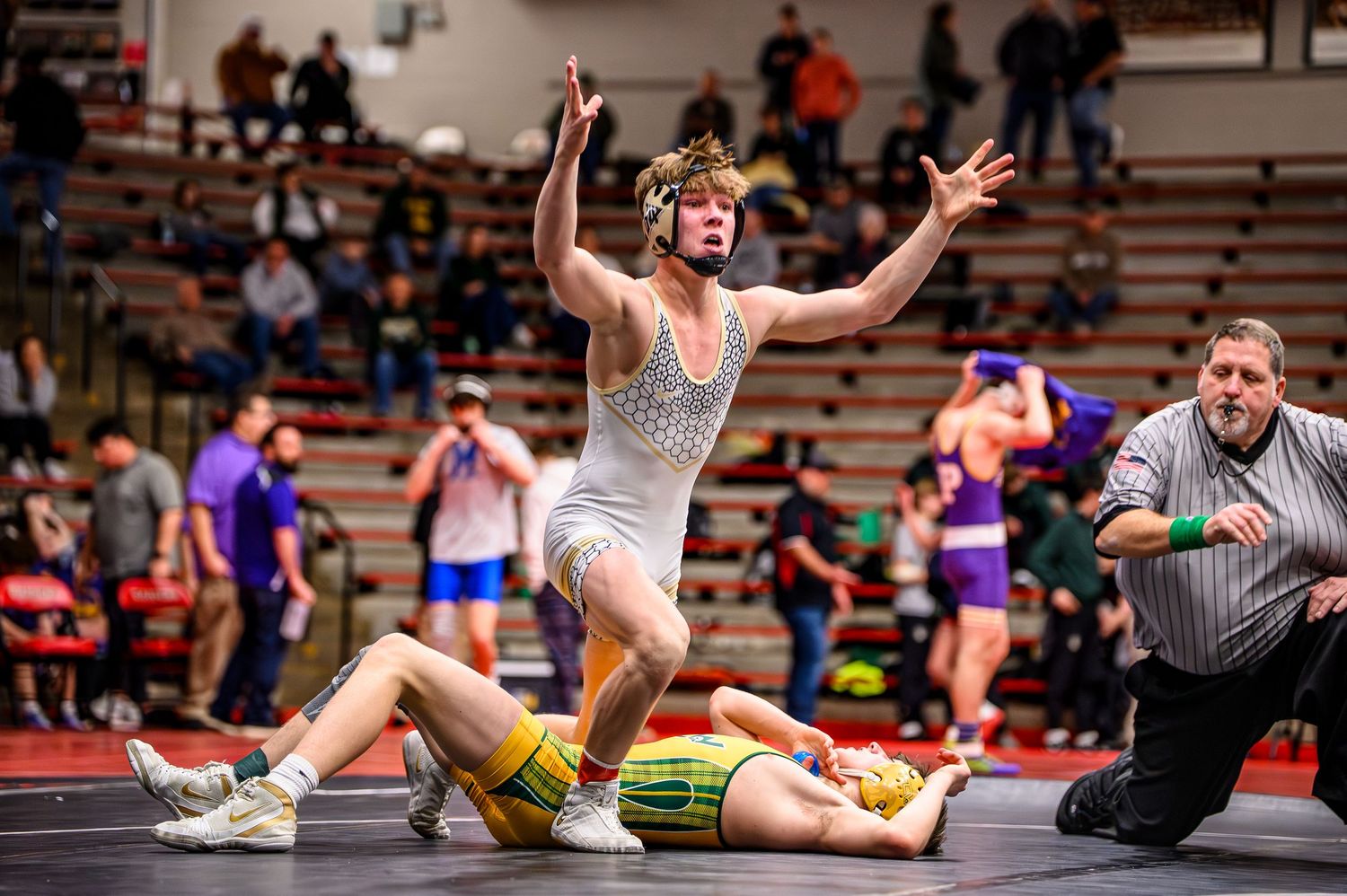
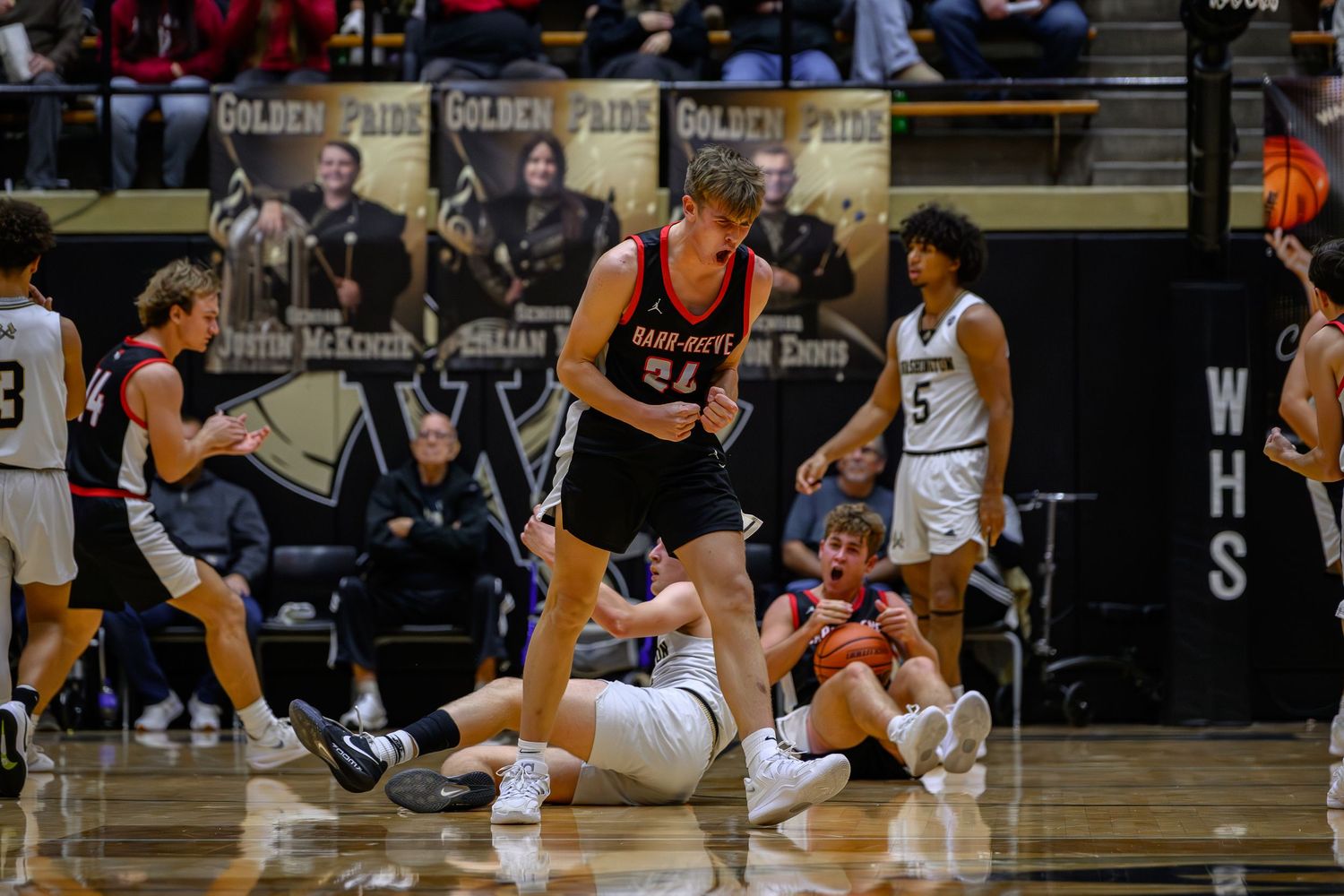
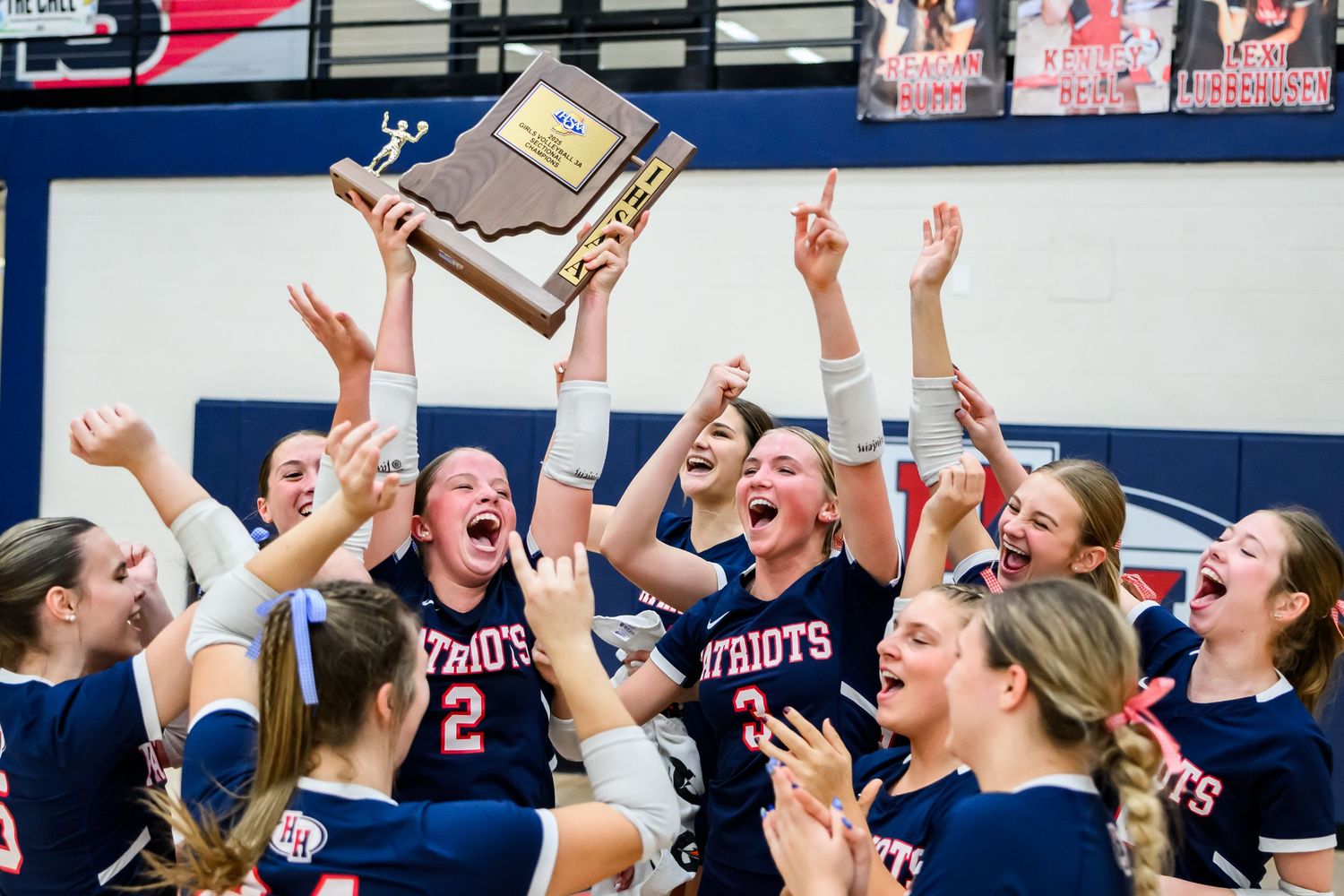
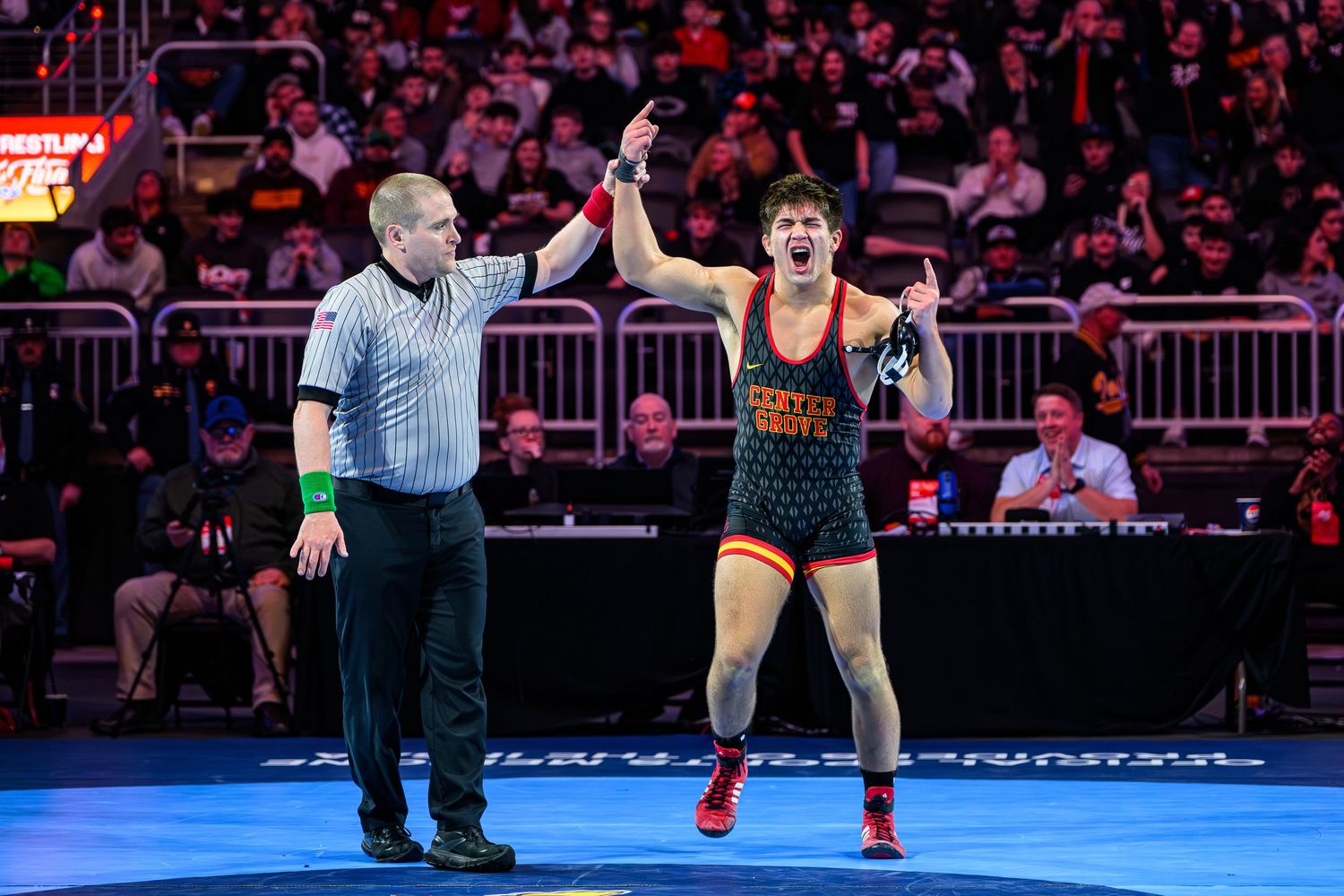
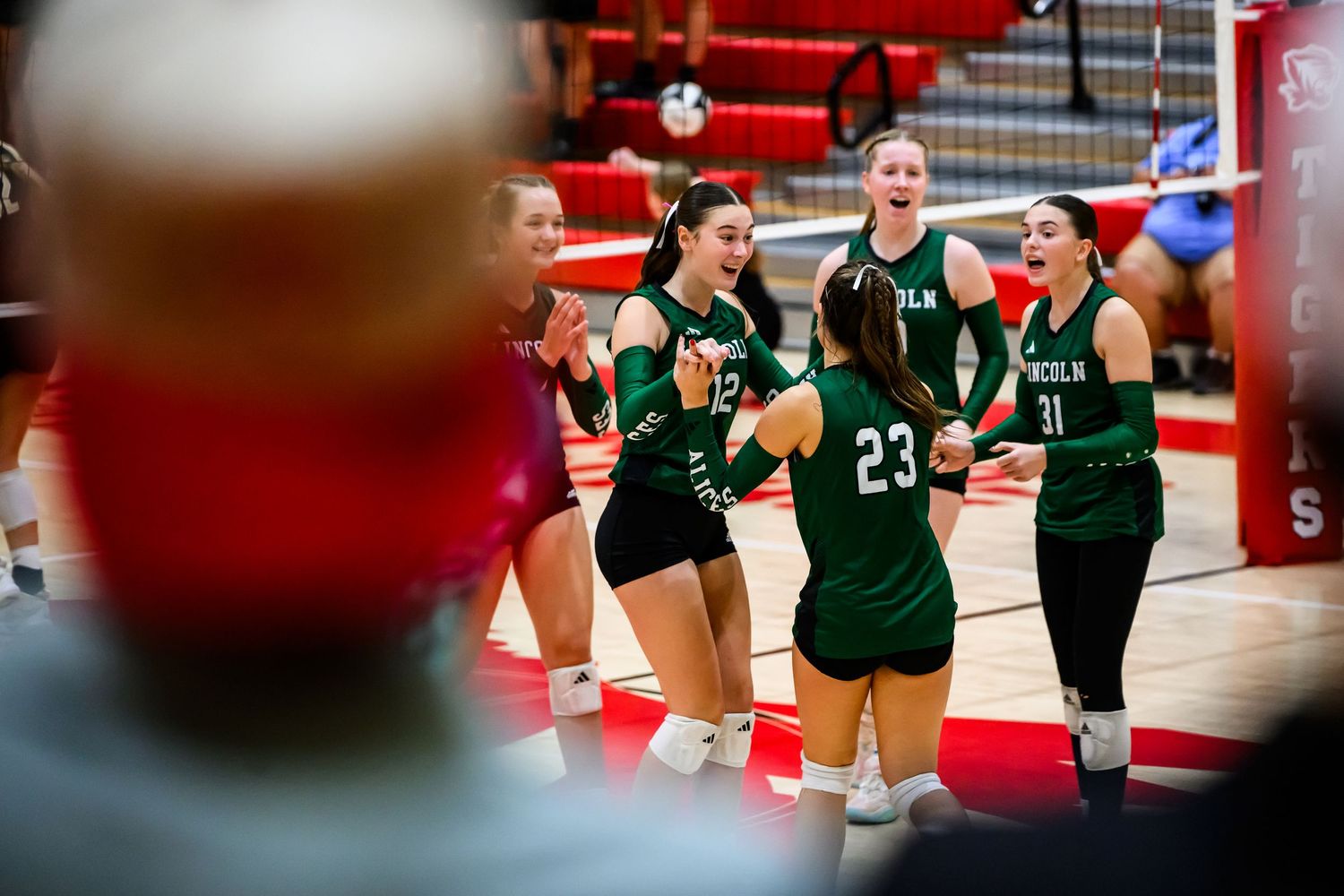
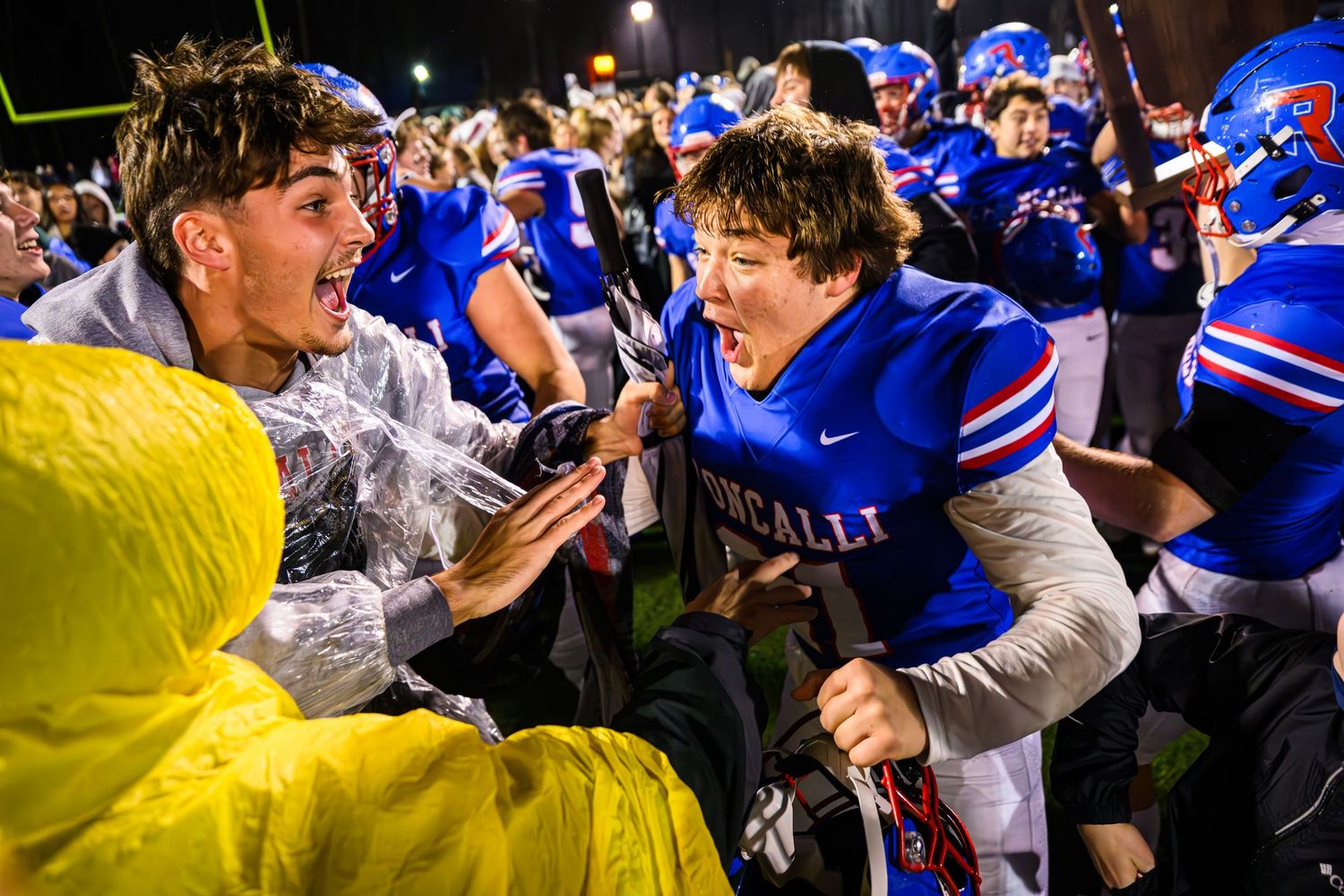
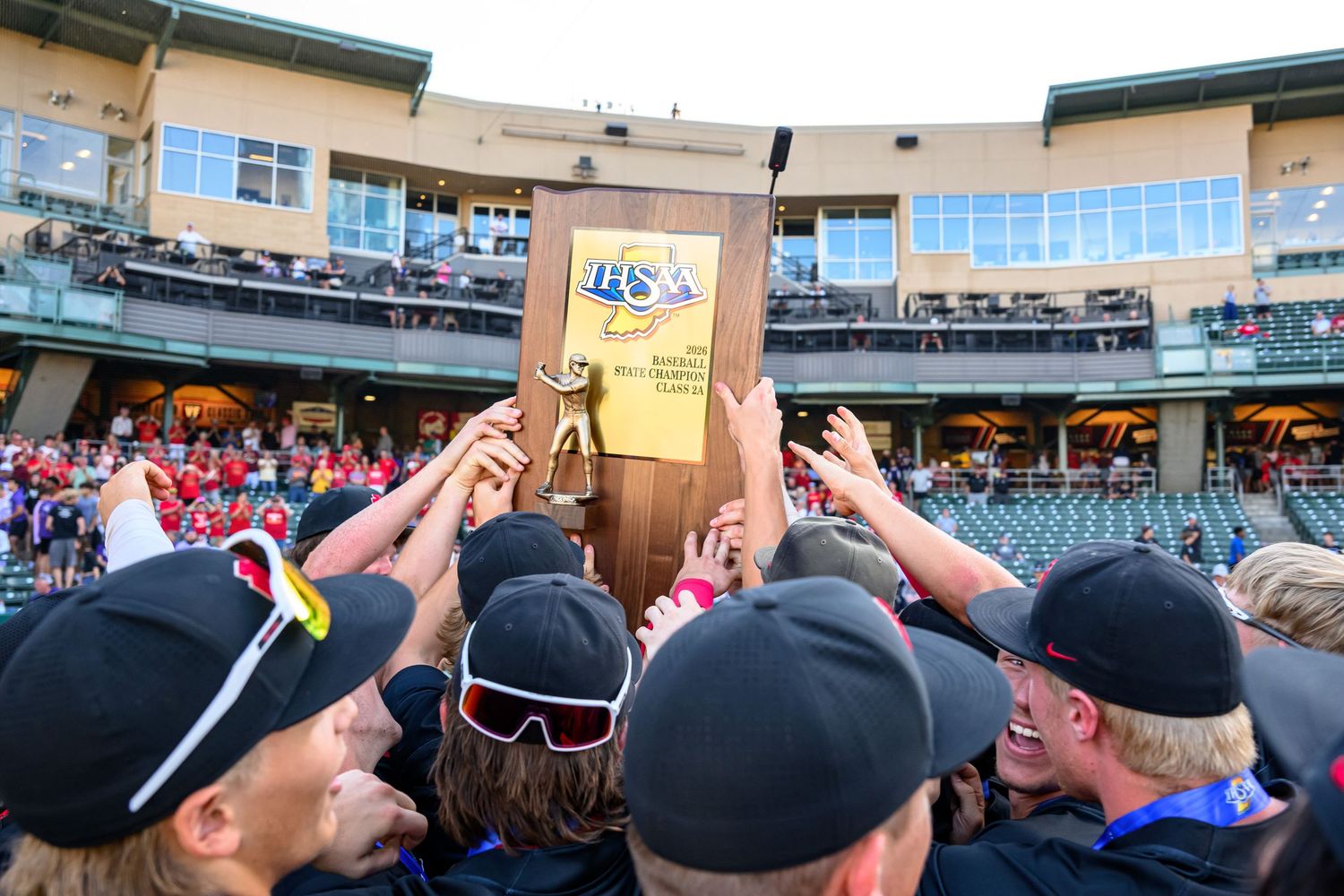
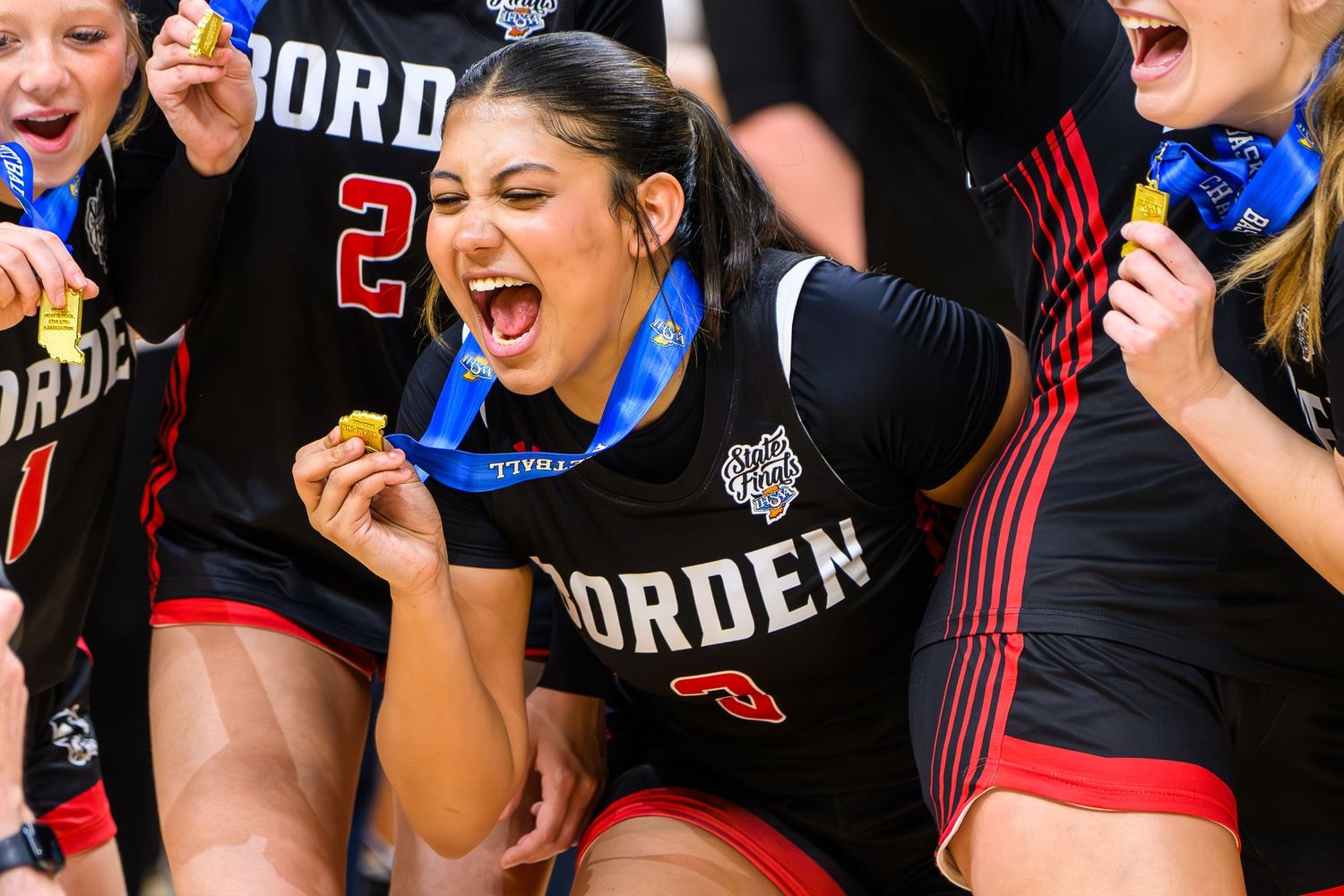
Sports are more than wins and losses. They’re about passion, pressure, excitement, heartbreak, and everything in between. Emotion is what connects the viewer to the moment. Anyone can photograph a touchdown or a goal. But capturing the reaction right after the celebration, the frustration, the relief, that’s what tells the story.
It’s Not Always About the Big Play
When people think sports photography, they usually think of action, dives, tackles, shots, all that. And yeah, I shoot those too. But a lot of the time, the best moments happen right after.
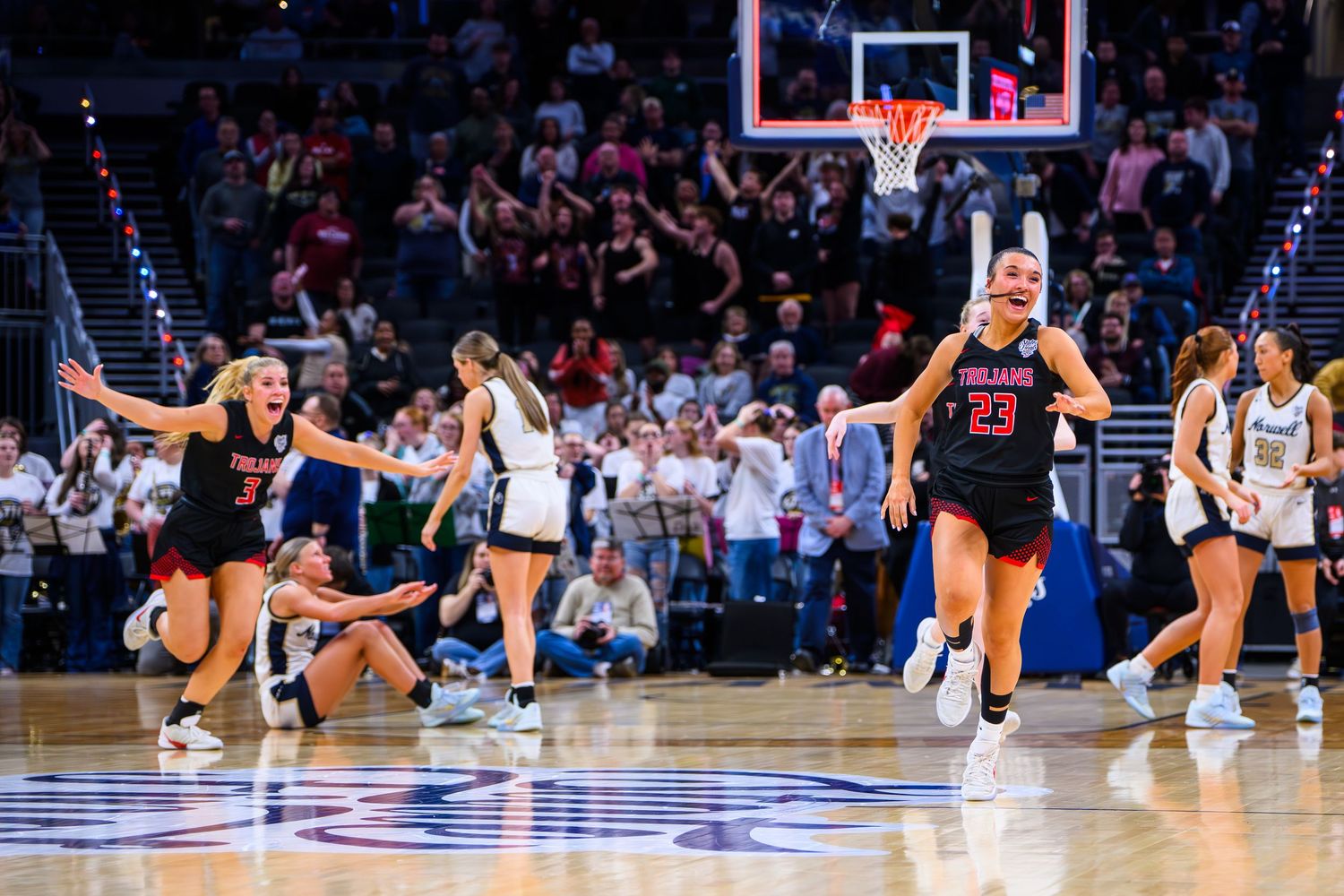
- The second a player realizes they just scored.
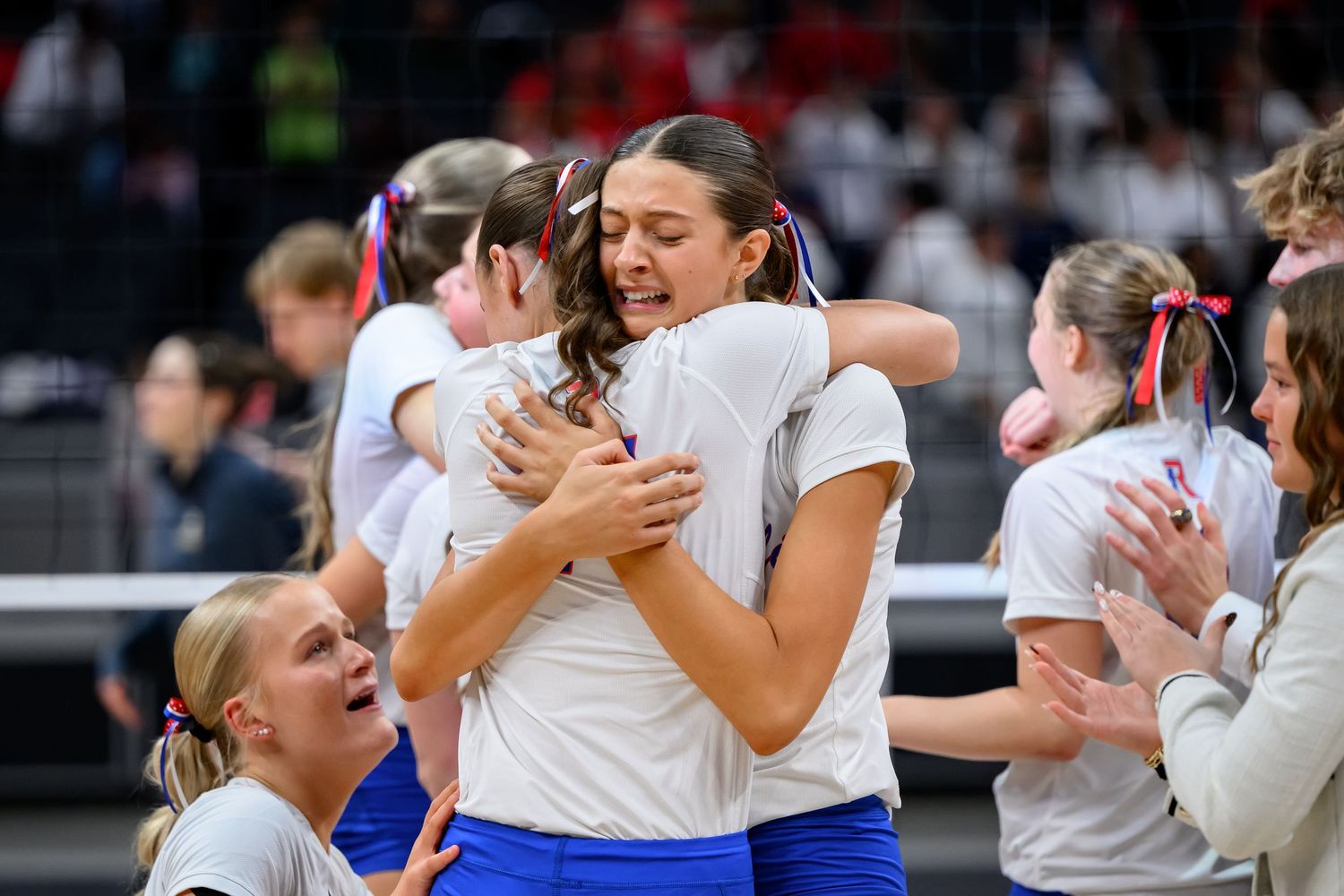
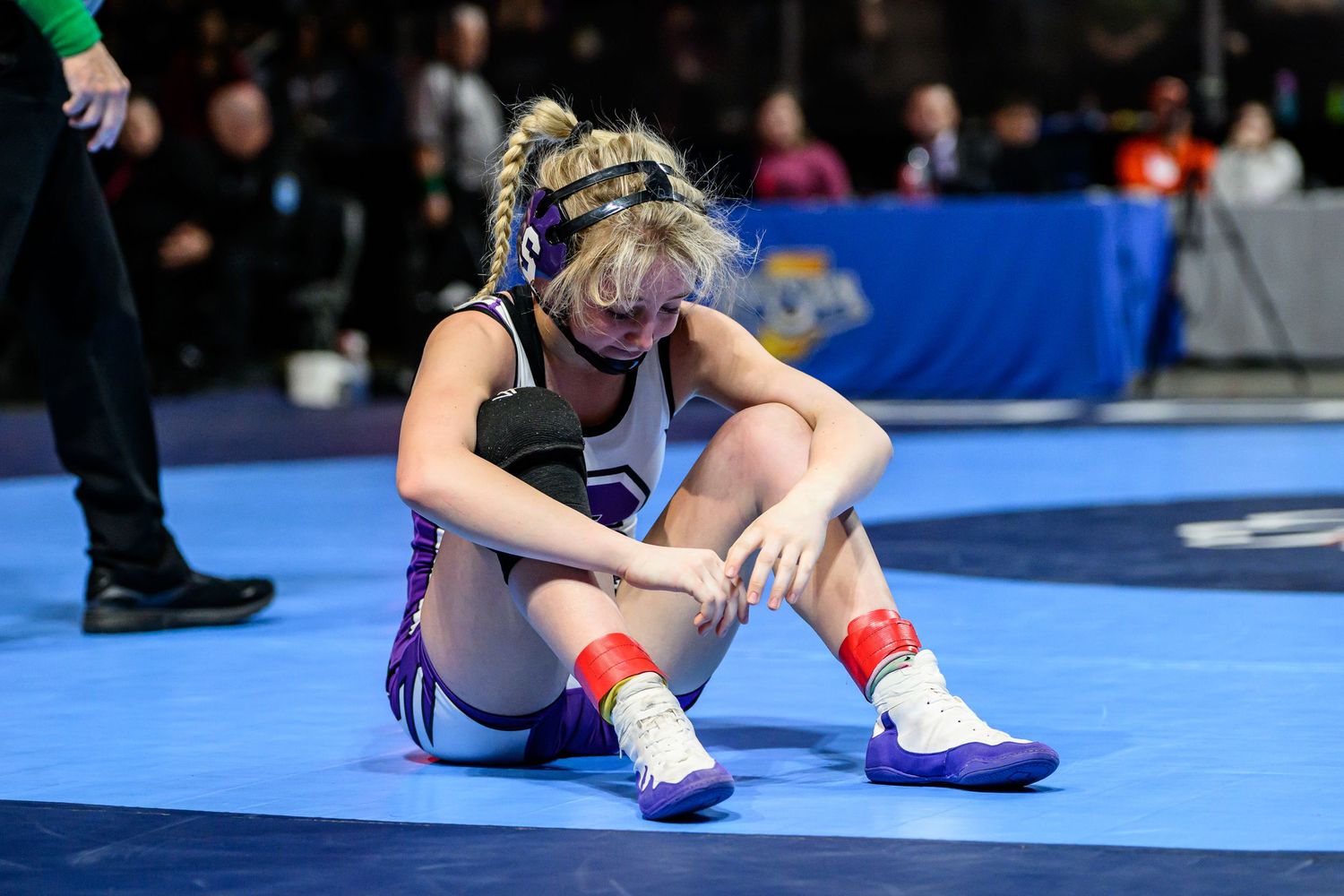
- The reaction after a tough loss.
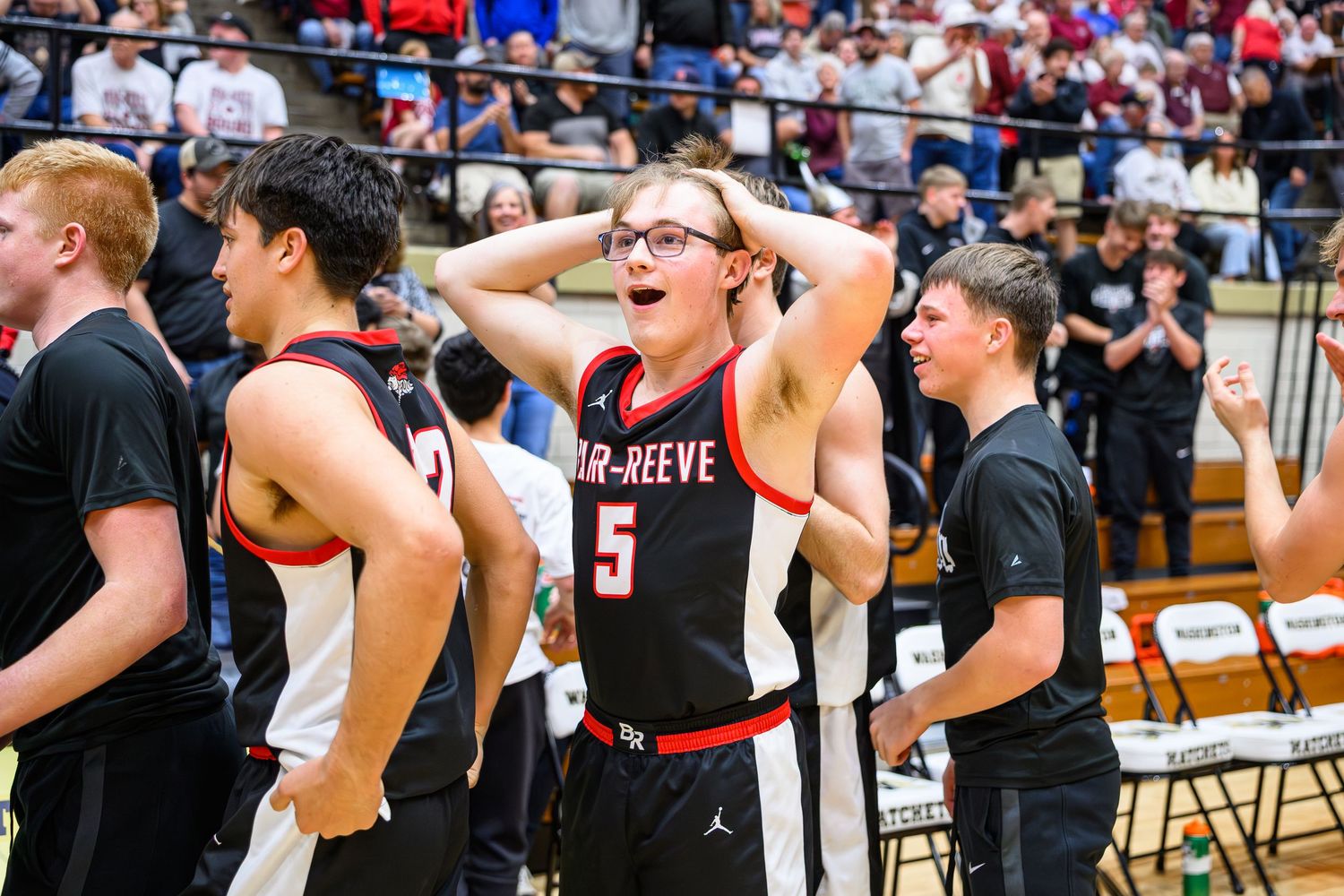
- Teammates celebrating, or just standing there in disbelief.
Those are the moments that feel real.
Focus Beyond the Ball
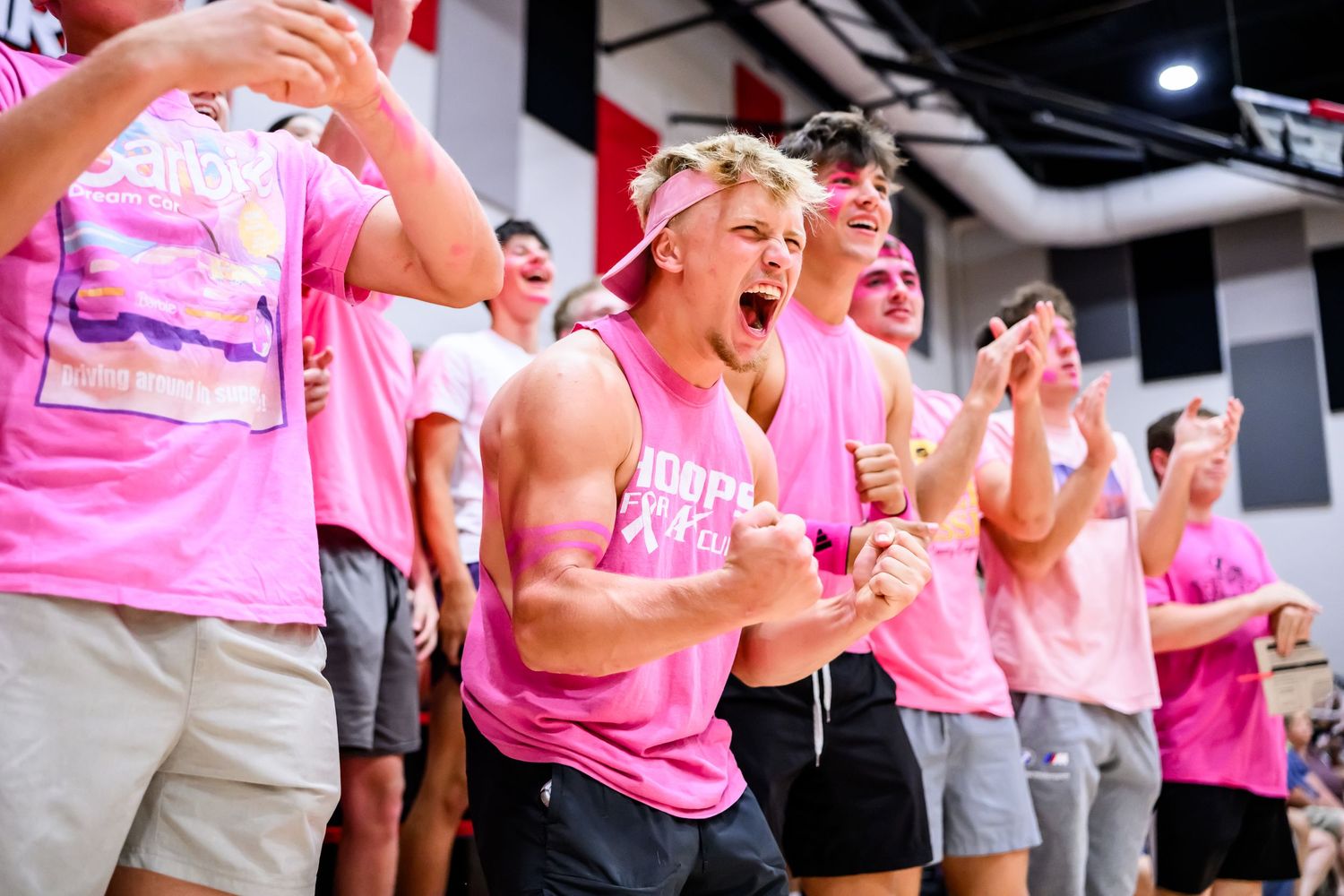
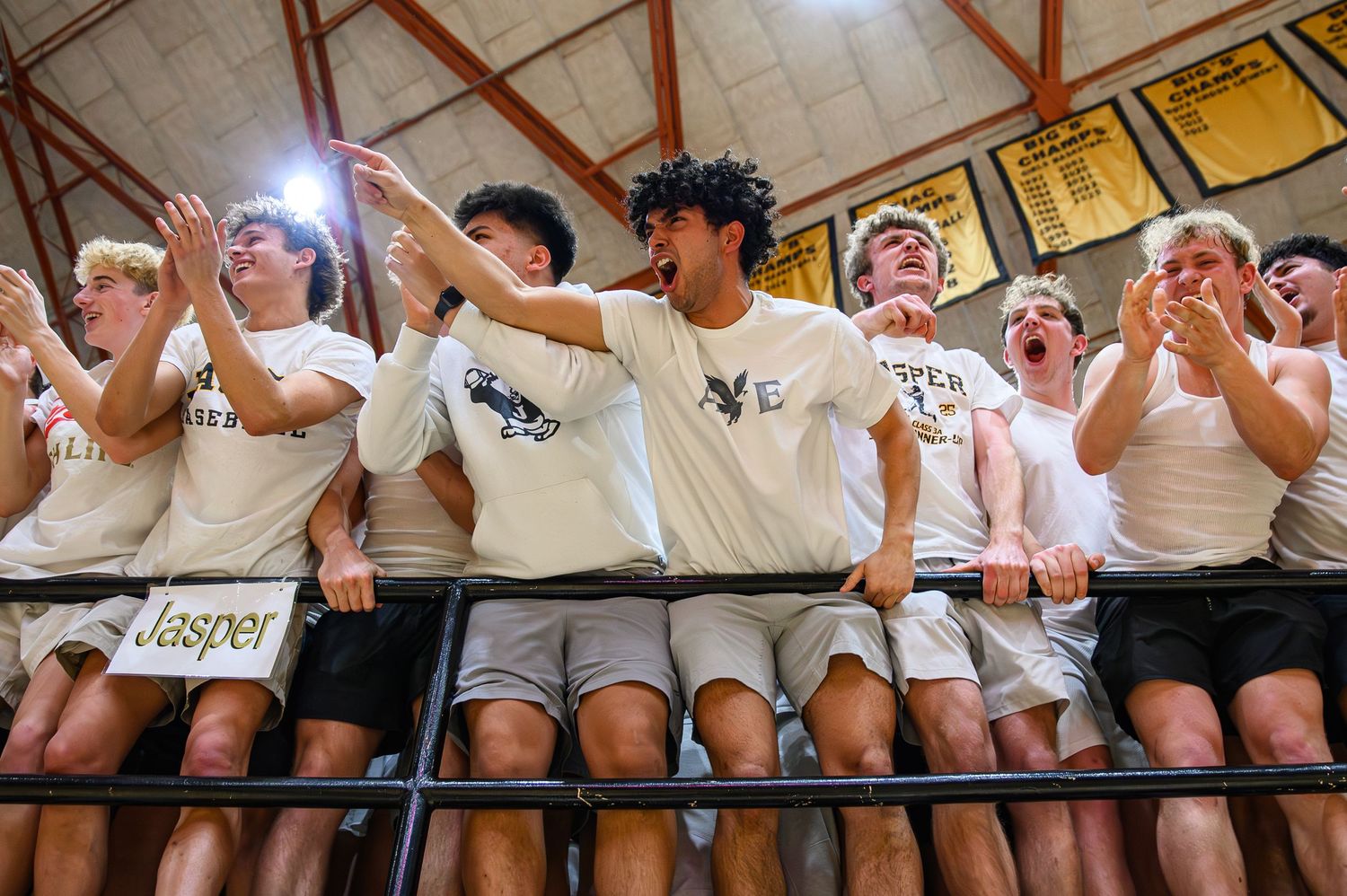
One of the biggest mistakes beginners make is following the ball the entire time. If you want emotion, you have to look elsewhere.
Some of the best emotional moments happen:
- On the sidelines
- On the bench
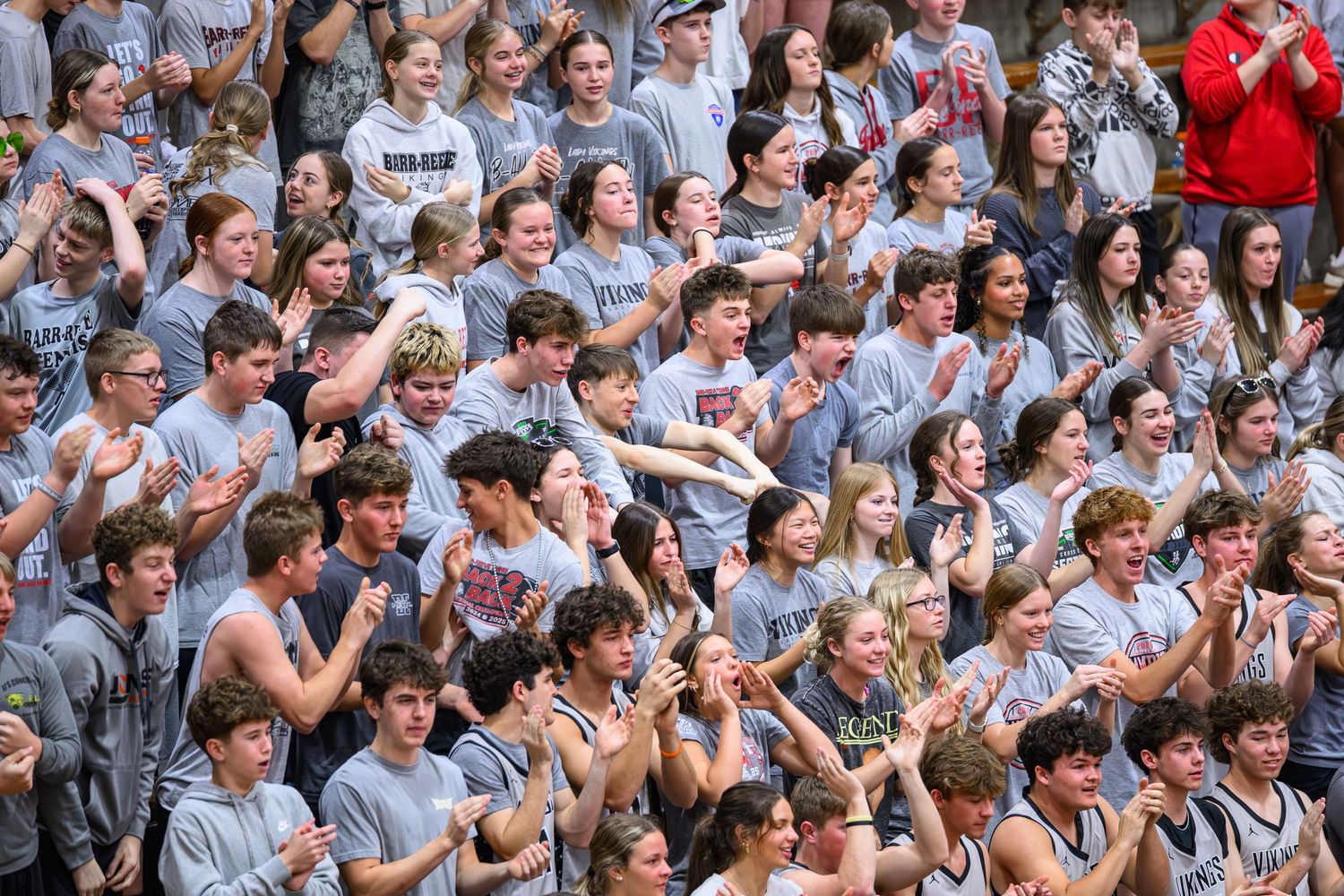
- In the crowd
- Between players
A quiet moment, like an athlete sitting alone after a tough loss, can be just as powerful as a celebration.
Every Sport Shows Emotion Differently
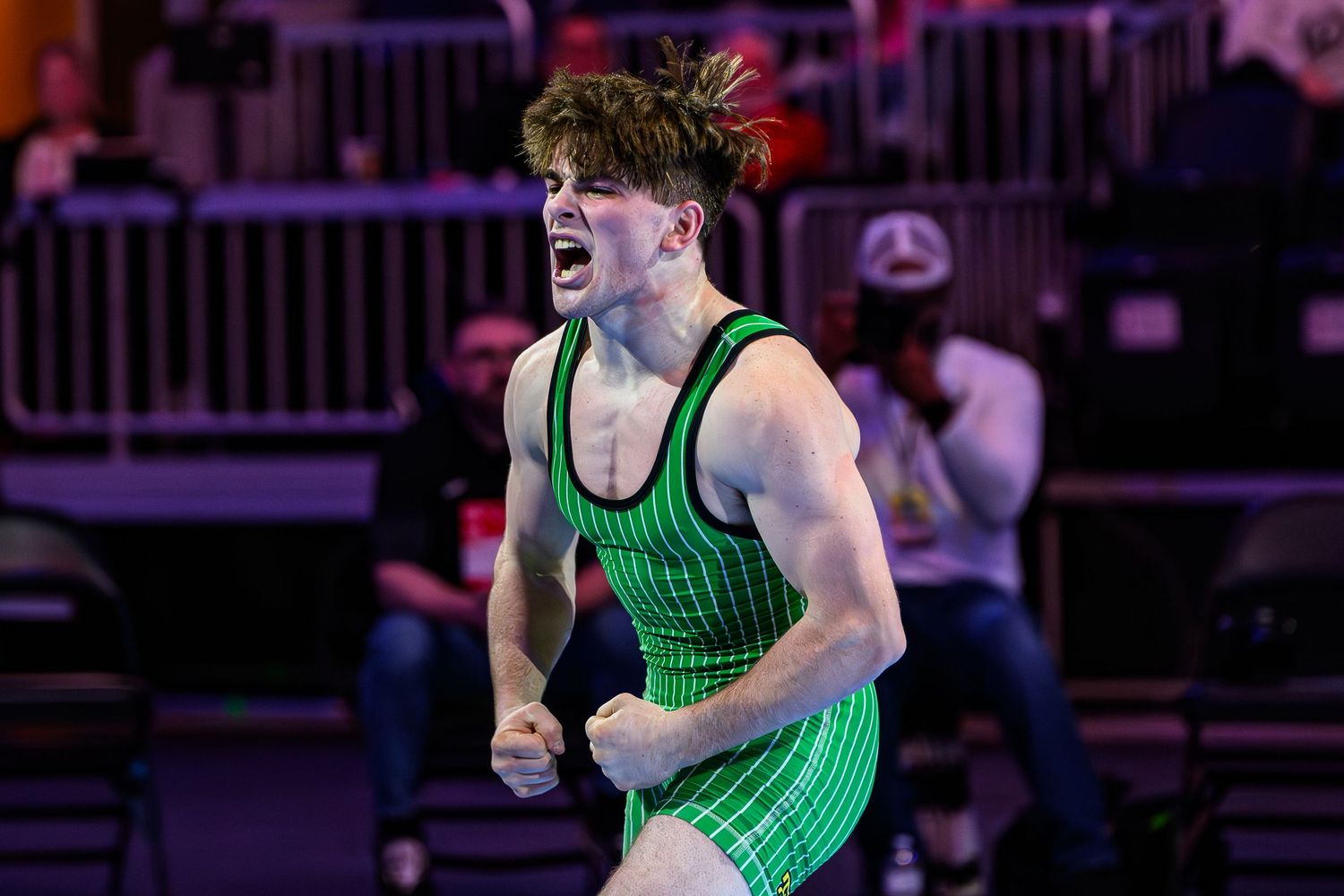
One thing I’ve really noticed from shooting multiple sports is how different the emotion can be. Some sports are loud, big celebrations, a lot of energy. Others are more subtle, quiet focus, frustration, or just a small reaction that says everything. That’s what makes it fun. You’re not just shooting the sport, you’re learning how each one feels.
Keep Shooting After the Play
This is probably one of the biggest things that’s helped me. Don’t stop shooting when the play ends. That’s usually when the best reactions happen, before players have time to reset or hide how they’re feeling. Some of my favorite images have come a few seconds after everything “important” was supposed to be over.
Why I Keep Chasing It
No matter what sport I’m shooting, I’m always looking for that one moment that tells the story. That’s what makes sports photography so addicting to me. You never know exactly how it’s going to play out, but when you catch it, you know.
If you’re looking through my work, just know those emotional shots aren’t luck. They come from watching, learning, and being ready for the moment when it happens.
And honestly, that’s what keeps me coming back.